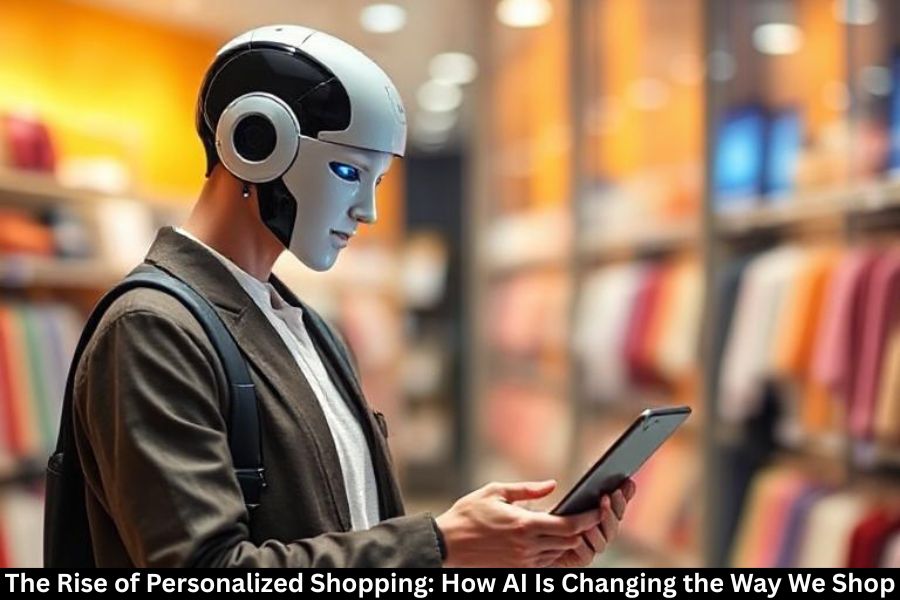
In today’s fast-paced digital world, the way we shop has undergone a dramatic transformation. One of the most significant changes is the rise of personalized shopping experiences powered by Artificial Intelligence (AI). Consumers now expect tailored recommendations, personalized product suggestions, and seamless shopping journeys that cater specifically to their individual preferences. In this blog post, we’ll explore how AI is revolutionizing the shopping experience, the benefits it offers to both retailers and consumers, and what the future holds for personalized shopping.
What is Personalized Shopping?
Personalized shopping refers to the use of technology, particularly AI, to customize and enhance the shopping experience for individual consumers. Unlike traditional shopping, which is often a one-size-fits-all approach, personalized shopping takes into account the unique preferences, behaviors, and needs of each shopper. This can involve product recommendations based on past purchases, personalized discounts, targeted ads, and even personalized content tailored to the shopper’s interests.
How AI Powers Personalized Shopping
Artificial Intelligence has been a game-changer in the retail industry, enabling brands to gather and analyze vast amounts of customer data in real time. This data is then used to create personalized experiences for shoppers. Some key ways AI powers personalized shopping include:
- Personalized Product Recommendations: AI algorithms analyze previous purchases, browsing history, and preferences to suggest products that are likely to interest the consumer. Platforms like Amazon and Netflix use similar algorithms to recommend products or movies based on user behavior.
- Dynamic Pricing: AI allows retailers to adjust prices in real-time based on factors like demand, competitor pricing, and customer behavior. Personalized pricing ensures that shoppers get the best deal tailored to them, increasing the likelihood of a purchase.
- Targeted Marketing Campaigns: AI-driven marketing platforms can segment customers and target them with personalized ads. For instance, if a shopper frequently browses fitness equipment, they may start seeing more relevant ads for fitness products, special offers, or discounts.
- Chatbots and Virtual Assistants: AI-powered chatbots, like those seen on many e-commerce sites, can assist shoppers by answering questions, providing personalized product recommendations, and even completing purchases in a more conversational manner.
Benefits of Personalized Shopping
The rise of AI in personalized shopping offers several advantages to both consumers and retailers. Let’s take a closer look at how both sides benefit from this technological shift.
For Consumers:
- Better Shopping Experience: Personalized shopping reduces the time and effort shoppers need to spend searching for products. With AI handling product suggestions, customers can quickly find what they are looking for, or discover new items they might have missed otherwise.
- Increased Convenience: AI makes shopping easier by anticipating customer needs. For example, if a shopper buys the same products regularly, AI can remind them to restock or offer discounts on those items.
- Enhanced Product Discovery: With personalized recommendations, shoppers are introduced to new products that align with their interests, making the shopping experience more enjoyable and engaging.
For Retailers:
- Higher Conversion Rates: Personalized recommendations lead to higher conversion rates. When shoppers see products that are relevant to their tastes and needs, they’re more likely to make a purchase.
- Customer Loyalty: Offering a personalized shopping experience can increase customer satisfaction and loyalty. A consumer who feels understood and valued is more likely to return to the same store or platform for future purchases.
- Improved Inventory Management: AI-driven insights can help retailers predict consumer demand more accurately, leading to better inventory management and fewer out-of-stock situations.
Examples of AI in Personalized Shopping
Many leading retailers have already embraced AI to personalize the shopping experience. Here are a few examples:
- Amazon: Amazon’s recommendation engine is a prime example of AI-powered personalization. The platform suggests products based on a user’s browsing history, purchases, and even reviews from other customers with similar preferences.
- Sephora: The cosmetics retailer uses AI to offer personalized beauty recommendations. Its AI-powered tool, Sephora Virtual Artist, allows customers to try on makeup virtually before purchasing, ensuring that they find products that suit their skin tone and style.
- Nike: Nike’s app uses AI to personalize shopping by providing tailored product suggestions, offers, and promotions based on a user’s purchase history and preferences.
The Future of Personalized Shopping with AI
As AI continues to evolve, the future of personalized shopping holds even more exciting possibilities. Here’s what we can expect in the coming years:
- Increased Use of Augmented Reality (AR): AR combined with AI will offer an immersive shopping experience. Shoppers might be able to virtually try on clothes, shoes, or makeup products through their mobile devices or AR glasses, further enhancing the personalization aspect.
- Voice Shopping: As voice assistants like Amazon’s Alexa and Google Assistant become more integrated into shopping platforms, voice-activated, personalized shopping experiences will become commonplace. Consumers could simply speak to their devices and receive product suggestions tailored to their preferences.
- Hyper-Personalization: In the future, AI could take personalization to a whole new level. With the help of machine learning and data analytics, retailers will be able to deliver real-time personalized shopping experiences that feel incredibly intuitive and seamless.
Challenges and Ethical Considerations of Personalized Shopping
While the rise of personalized shopping offers numerous benefits, it’s important to consider the challenges and ethical issues associated with this trend:
- Data Privacy: As AI relies heavily on consumer data, ensuring the privacy and security of personal information will be critical. Retailers need to be transparent about how they collect and use data, and give customers control over their information.
- Over-Personalization: In some cases, over-personalization can feel invasive or overwhelming. If a shopper receives too many targeted ads or recommendations, it may lead to frustration rather than satisfaction.
- Bias in AI Algorithms: AI algorithms are only as good as the data they are trained on. If the data is biased, the recommendations and experiences could inadvertently exclude certain groups of people or promote unhealthy consumer behavior.
Conclusion
The rise of personalized shopping powered by AI is revolutionizing the way we shop. By delivering more tailored, efficient, and enjoyable shopping experiences, AI is not only benefiting consumers but also driving growth and innovation for retailers. As AI technology continues to advance, we can expect even more sophisticated and seamless shopping experiences in the future. However, it’s essential for companies to balance personalization with data privacy and ethics to ensure a positive and responsible shopping environment.
Personalized shopping is here to stay, and it’s reshaping the future of retail for both brands and customers alike. Are you ready for the next level of shopping?
FAQs
1. How does AI personalize my shopping experience?
AI personalizes your shopping experience by analyzing your browsing history, purchase patterns, and preferences. This information is then used to suggest products, offers, and advertisements that are tailored to your specific needs.
2. Is personalized shopping secure?
While personalized shopping relies on data collection, most reputable companies prioritize data security and privacy. Make sure to read their privacy policies and manage your preferences to control the amount of data shared.
3. Can AI help me find better deals?
Yes! AI can help you find better deals by dynamically adjusting prices and offering personalized discounts based on your behavior and purchase history.
4. Will AI take over traditional shopping?
While AI enhances the shopping experience, traditional shopping will likely continue to exist alongside personalized experiences. AI is more about improving efficiency and customer satisfaction, rather than replacing human interaction completely.