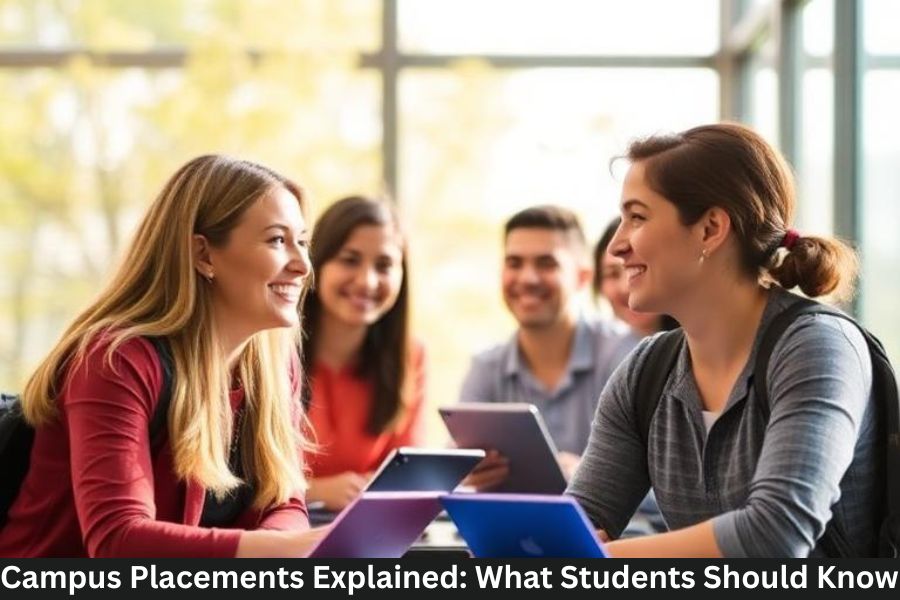
For most university students, campus placements feel like the final boss level in a video game. You’ve completed semesters, survived exams, and now it’s time for the real challenge—landing a job. Campus placements can be exciting, stressful, confusing, and rewarding all at once.
Why Campus Placements Matter
Campus placements provide students with a direct pathway from classroom to corporate life. They reduce the struggle of job hunting and offer a structured, guided recruitment process.
Campus Placements vs Off-Campus Hiring
While off-campus hiring requires independent applications and networking, campus placements bring companies directly to students. This saves time, effort, and uncertainty—especially for freshers.
What Are Campus Placements?
Definition and Purpose
Campus placements are recruitment drives conducted by companies within a university or college. The goal is simple: hire fresh graduates before they complete their degree.
How Campus Recruitment Works
Companies collaborate with the placement cell, announce job roles, conduct tests and interviews, and finally extend offers to selected students.
Types of Campus Placements
On-Campus Placements
On-campus placements happen within the college premises. Companies visit the campus to conduct recruitment rounds.
Off-Campus and Pool Campus Placements
Off-campus placements require students to apply externally, while pool campus placements involve multiple colleges participating together.
Eligibility Criteria for Campus Placements
Academic Requirements
Most companies set minimum GPA or percentage criteria. Some prefer consistent academic performance over a single high score.
Backlogs, Attendance, and Other Conditions
Active backlogs, low attendance, or disciplinary records may disqualify students from certain companies.
Role of the Placement Cell
Responsibilities of the Placement Office
The placement cell acts as a bridge between students and recruiters. It coordinates drives, shares information, and manages logistics.
How Placement Cells Support Students
From resume workshops to mock interviews, placement cells play a crucial role in student preparation.
Pre-Placement Talks (PPTs)
What Happens in a PPT
PPTs introduce the company, job roles, career growth, and expectations. Think of them as a movie trailer for the job.
Why PPTs Are Important for Students
They help students decide whether the company aligns with their goals and interests.
Registration and Application Process
How Students Apply for Placement Drives
Students usually register through placement portals or forms provided by the college.
Common Registration Mistakes to Avoid
Incomplete forms, wrong details, and missed deadlines can cost you an opportunity before it even begins.
Campus Placement Selection Process
Aptitude and Technical Tests
Most companies start with online or offline tests covering aptitude, logical reasoning, and technical knowledge.
Group Discussions and Interviews
Shortlisted candidates move on to group discussions, technical interviews, and HR rounds.
Resume Shortlisting in Campus Placements
How Companies Shortlist Resumes
Recruiters look for relevant skills, internships, projects, and clarity—not just GPA.
Tips to Clear Resume Screening
Keep your resume clean, concise, and tailored to the role. Highlight impact, not just tasks.
Importance of Internships in Placements
Internship-to-Placement Conversion
Many companies use internships as a hiring pipeline. Perform well, and you might secure a full-time offer early.
How Internships Strengthen Your Profile
Internships prove real-world exposure, making your profile stand out instantly.
Skills Companies Look for During Placements
Technical Skills and Domain Knowledge
Core technical knowledge relevant to the role is essential. Companies expect strong fundamentals.
Soft Skills and Attitude
Communication, teamwork, adaptability, and willingness to learn often outweigh technical brilliance.
Placement Packages and Job Roles
Understanding CTC, In-Hand Salary, and Benefits
CTC includes salary, bonuses, benefits, and perks. In-hand salary is what actually reaches your bank account.
Choosing the Right Role Over the Highest Package
A high package means little if the role doesn’t align with your interests or growth goals.
Common Myths About Campus Placements
High GPA Guarantees a Job
Grades help, but they don’t guarantee selection. Skills and attitude matter just as much.
One Offer Defines Your Career
Your first job is a starting point, not a life sentence. Careers evolve over time.
Challenges Students Face During Campus Placements
Pressure, Competition, and Rejections
Competition is intense, and rejection is common. It’s part of the process, not a personal failure.
Staying Motivated Throughout the Process
Consistency, self-belief, and preparation keep you moving forward even after setbacks.
Tips to Prepare for Campus Placements
Preparation Timeline for Students
Start preparing at least a year in advance—build skills, internships, and confidence gradually.
Smart Strategies to Crack Placements
Practice aptitude regularly, improve communication skills, and stay updated with industry trends.
Future of Campus Placements
Virtual Placement Drives
Online tests and virtual interviews are becoming the norm, expanding opportunities globally.
Evolving Hiring Trends
Companies now focus more on skills, projects, and adaptability than just academic scores.
Conclusion
Campus placements are not just about getting a job—they’re about learning how recruitment works, understanding your strengths, and preparing for professional life. With the right mindset, preparation, and persistence, campus placements can become a powerful launchpad for your career. Remember, it’s not about being perfect; it’s about being prepared and confident.
Frequently Asked Questions (FAQs)
1. Are campus placements mandatory for all students?
No, students can choose off-campus opportunities as well.
2. Can students sit for multiple placement offers?
This depends on college policies and company rules.
3. Do backlogs completely block placement opportunities?
Not always. Some companies allow limited backlogs.
4. Is it okay to reject a campus placement offer?
Yes, but students should consider college policies and future implications.
5. How important are communication skills in placements?
Extremely important. Strong communication often sets candidates apart.